How to choose a GPS tracker for your fleet in Kenya
A practical guide for Kenyan fleet owners on choosing a GPS vehicle tracker: vehicle types, installation, alerts, reporting, the platform and local support.
- Start with the decisions you want to make, not the device.
- Match the tracker to the vehicle and how it is used.
- Installation quality matters as much as the hardware.
- Judge the platform, alerts and support before you buy.
Start with the problem you want to solve
Most fleet owners in Kenya start looking for a tracker after something goes wrong: a vehicle used after hours, fuel that does not add up, or a vehicle that cannot be found. Before comparing devices, write down the questions you want answered every week. Where are my vehicles now? How many trips did each one make? Who was speeding? Which vehicles are idling for long periods?
Those questions decide which features matter. A SACCO that wants trip accountability needs good trip history and reports. A lender protecting financed vehicles cares more about tamper alerts and immobilisation. A logistics company may need fuel monitoring and cargo security as well as location.
Match the tracker to the vehicle
Different vehicles need different devices. Hard-wired trackers draw power from the vehicle and suit cars, vans, matatus and trucks that are used every day. Compact trackers suit smaller vehicles where space is limited. Battery-powered trackers suit trailers, containers and equipment without a reliable power supply.
- Cars, vans and pickups: a wired tracker with ignition detection is usually enough.
- Matatus and buses: consider trackers that support driver behaviour alerts and dashcams.
- Trucks: look for inputs for fuel level sensors and, where needed, e-locks.
- Unpowered assets: choose a battery tracker and agree a reporting schedule that balances detail with battery life.
If you plan to add fuel sensors, dashcams or immobilisation later, check that the tracker you choose can support them, so you do not have to replace it.
Check the alerts you will actually use
Alerts turn tracking from a map into a management tool. Useful alerts for Kenyan fleets include speeding above limits you set, ignition on outside working hours, long idling, entering or leaving a geofence, and power disconnection, which can indicate tampering.
Too many alerts are as unhelpful as none. Agree who receives each alert and what they should do when it arrives. A short list of alerts that someone acts on is better than dozens that are ignored.
Look closely at the platform and reports
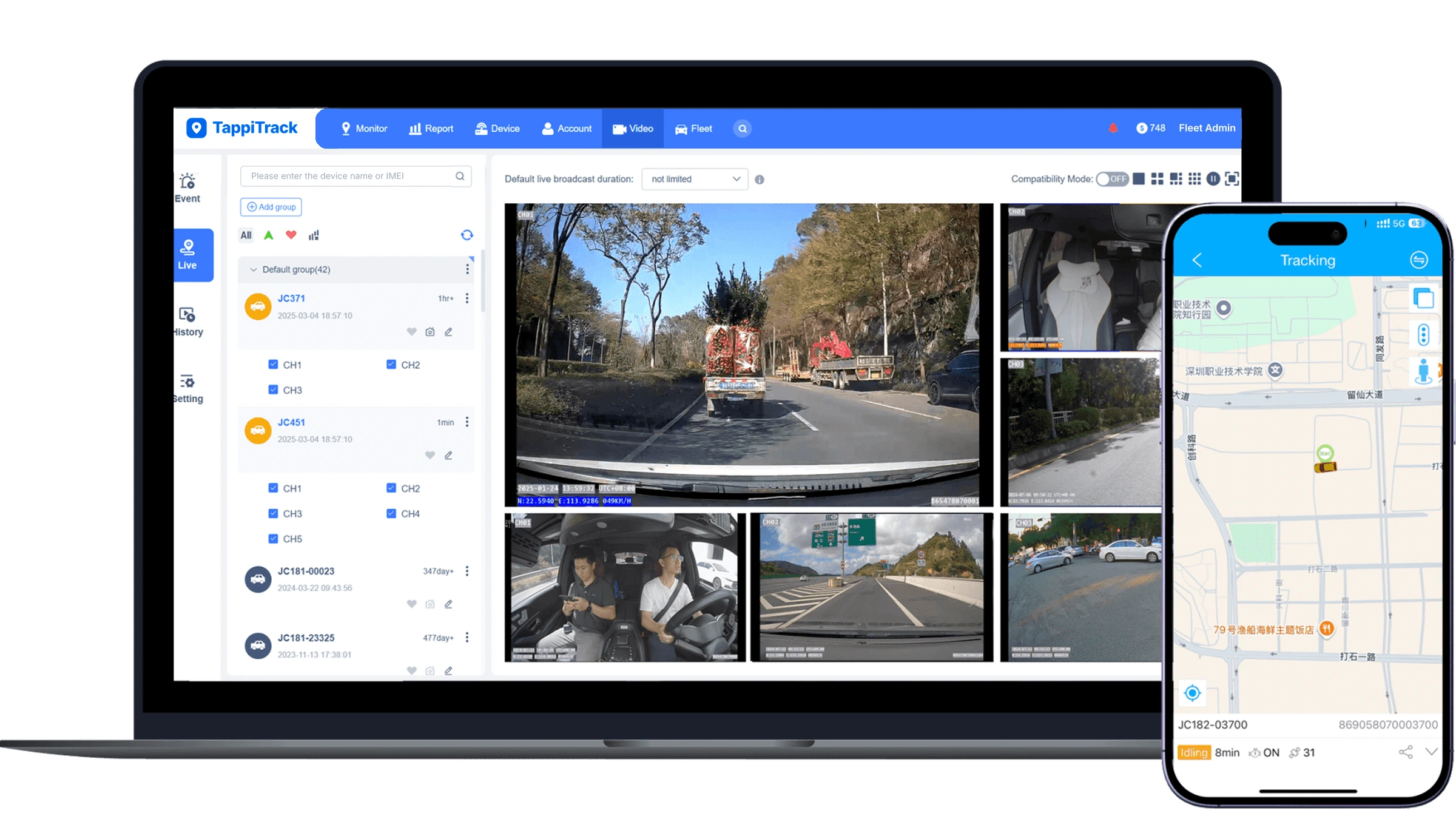
You will spend far more time in the tracking platform than thinking about the device. Ask for a demo and check that the platform works well on both web and mobile, that trip history is easy to replay, and that reports answer your weekly questions without manual work.
- Trip and stop reports by vehicle and date range
- Speeding, harsh driving and idling summaries
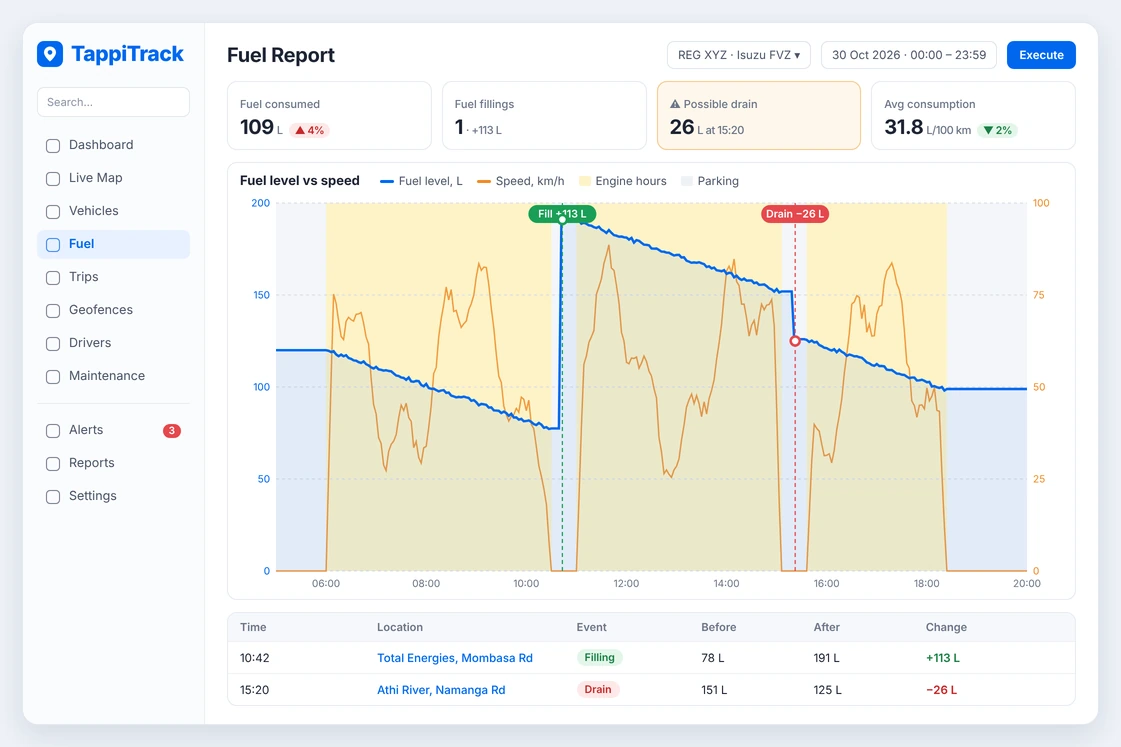
- Fuel reports if you add fuel sensors
- The ability to give owners, managers or branches access to only their vehicles
Do not overlook installation
A good tracker installed badly will give poor results. Poor wiring can cause power issues, inaccurate ignition data or easy tampering. Ask who will install the device, how long it takes, and whether the installer tests the tracker and confirms it is reporting before the vehicle leaves.
Professional installation also matters for your vehicle's electrics and any warranty conditions. Ask your dealer about warranty terms and ask the installer to explain how the device is connected.
Ask about support and the total cost
Compare more than the device price. Ask what the quote covers, what is billed regularly, and what happens if a device stops reporting. Local support matters when a vehicle needs attention: you want a team you can call that understands Kenyan operating conditions.
Finally, think about privacy. Tell drivers that vehicles are tracked and explain how the information is used. A clear written policy supports good relationships with your team and is in line with Kenya's Data Protection Act, 2019.
Our team can recommend a setup for your vehicles and send a quote.