Dashcams and driver privacy: writing a clear camera policy
How Kenyan fleets can introduce dashcams responsibly: what a camera policy should cover, informing drivers and passengers, and handling footage under the Data Protection Act, 2019.
- Explain why cameras are installed before they go live.
- Be clear about what is recorded and who can view it.
- Limit access and keep footage only as long as needed.
- Use footage for coaching and fairness, not surveillance.
Why a policy matters
Dashcams help fleets understand incidents, protect drivers from false claims and support insurance claims. They also record people: drivers, passengers and other road users. A clear policy builds trust with your team and helps you handle personal data responsibly.
In Kenya, the Data Protection Act, 2019 sets out principles for processing personal data, and the Office of the Data Protection Commissioner provides guidance. This article is general guidance, not legal advice; speak to a legal adviser about your specific obligations.
What your policy should cover
- Purpose: why cameras are installed, such as road safety, incident review and protecting drivers.
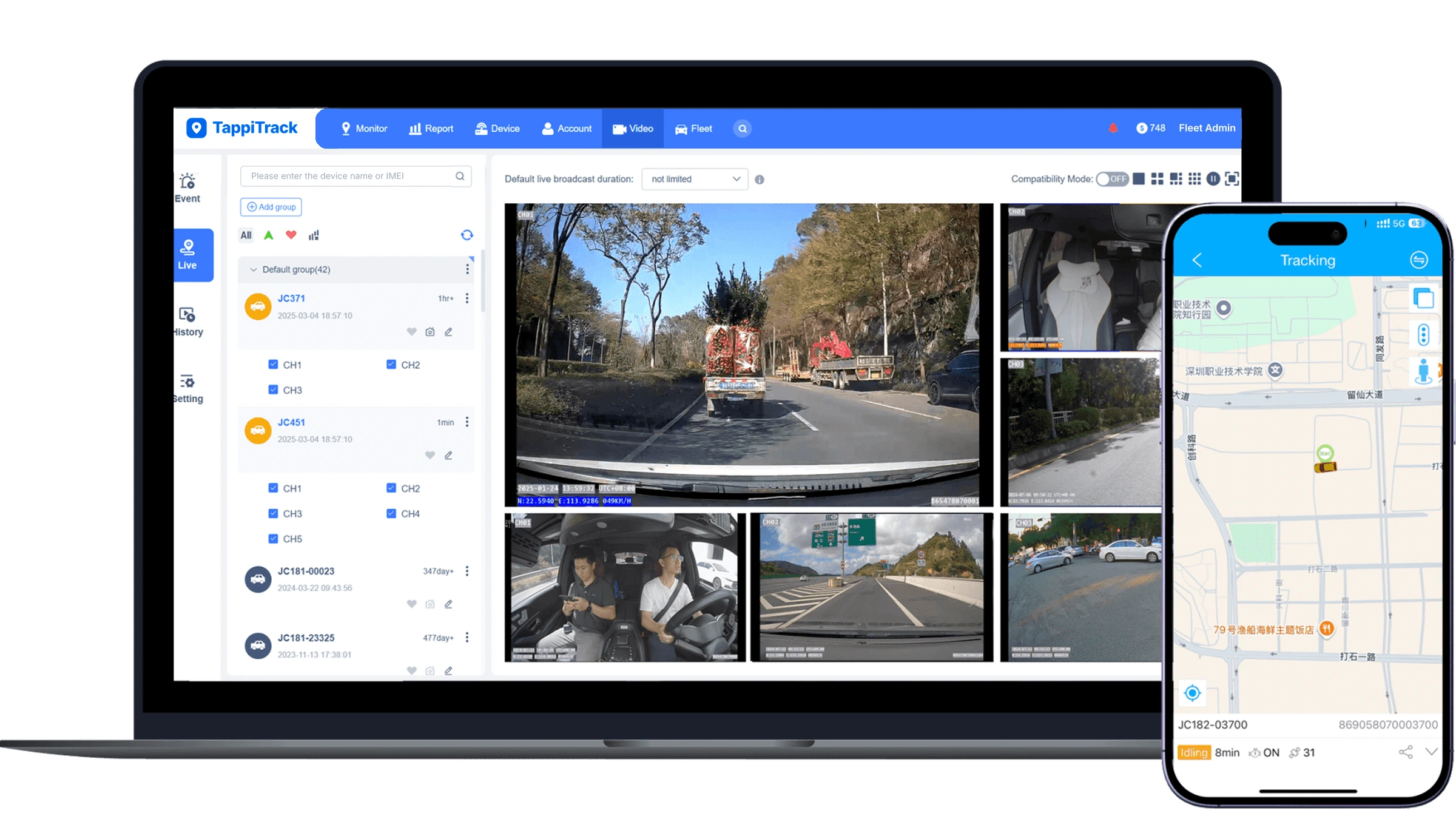
- What is recorded: road-facing only, or road and cabin; whether audio is recorded.
- When footage is reviewed: for example after an incident, a complaint or a harsh-driving event.
- Who can view footage: named roles, not everyone in the business.
- How long footage is kept: and how it is deleted.
- How footage may be shared: with insurers, customers or authorities when needed.
Tell drivers and passengers
Introduce cameras through a conversation, not a surprise. Explain the purpose, show drivers what the camera sees, and answer questions. Ask drivers to acknowledge the policy in writing.
Where cabin cameras are used in passenger vehicles, a visible notice inside the vehicle lets passengers know that recording takes place.
Handle footage carefully
Limit platform access to the people who need it. Keep event clips for as long as you need them for the stated purpose, then delete them. When sharing footage externally, share only the relevant clip and keep a record of who received it.
Use video to coach, not just to catch
Drivers accept cameras more readily when footage is used fairly. Recognise good driving as well as discussing mistakes. Review clips together, focus on what can be learned, and combine video with speed and behaviour data from GPS tracking for a balanced picture.
Our team can recommend a setup for your vehicles and send a quote.